



A webinar of local healthcare professions recently gathered to discuss the challenges posed by healthcare delays and Long Covid.
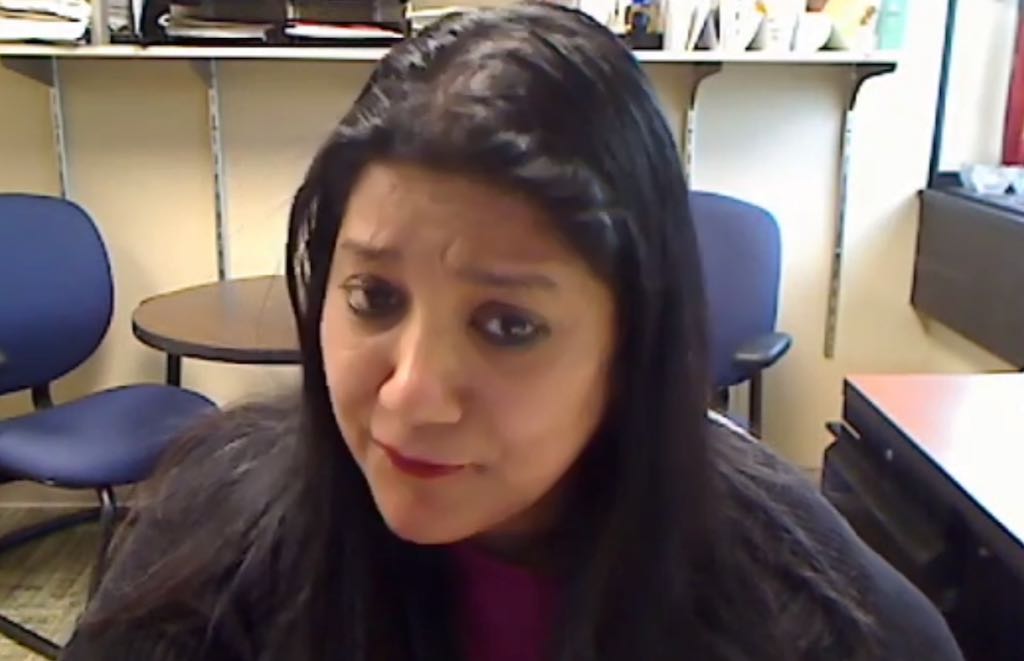
Drs. Vidya Sundareshann (pictured), Ahmed Khan, and Michal Dynda also took questions about what’s next during the transition from a pandemic to endemic phase of coronavirus.
First, “Long Covid,” which early studies show effects between ten and thirty percent of those who have had acute illness from coronavirus. Symptoms are characterized by respiratory issues that linger four to six months after initial diagnosis but can linger for up to a year. “Brain fog,” is also often reported by those termed “long-haulers.”
Then there are the residual effects of delayed care among those who put off primary care during the pandemic.
“Increased incidents of diabetes,” said Dr. Michal Dynda, an Associate Professor of Family and Community Medicine at the S.I.U. School of Medicine, “because unfortunately we were all sitting at home. We were all snacking, and our weight increased, and many of those patients who were borderline diabetics became diabetic.”
Dunda also points to mental health issues—depression and such—that have developed or worsened over the past two years. “I’m seeing more patients with anxiety, more patients with depressive symptoms . . . so now we are dealing with all this.”