



A return to unusually high temps is expected this week and HSHS St. Johns Hospital says it’s important to be cautious of the possibility of heatstroke if you are participating in any outdoor activities.
Heatstroke can cause serious complications or death, especially for those who are most vulnerable such as infants and children, people 65 years of age and older, people who are overweight and people who are on certain medications.
HSHS St. John’s Hospital recommends taking the following measures to prevent heatstroke:
Wear loose-fitting clothes – Loose-fitting clothes allow for your body to cool properly as opposed to tight or heavy clothes.
Drink plenty of fluids – Staying hydrated will help you maintain a normal body temperature and will help your body sweat.
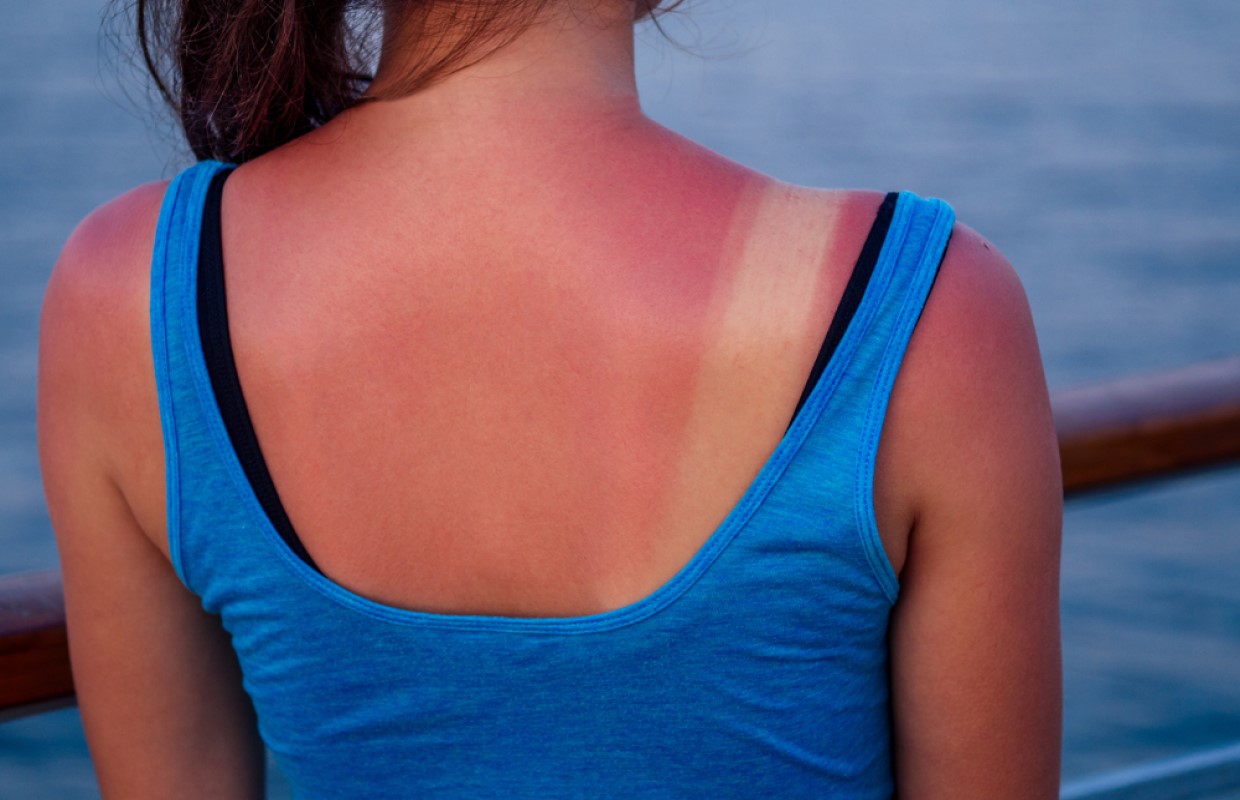
Protect yourself against sunburn – Use sunscreen, reapplying every two hours, as well as hats and sunglasses to protect against sunburns. Sit under the shade from time to time.
Take it easy during the hottest parts of the day – Try to schedule outdoor activities in the cooler parts of the day, such as early morning or the evening. The hottest part of the day is generally accepted as 10 a.m. to 3 p.m.
Heatstroke signs and symptoms are:
High body temperature – The main sign of heatstroke is a core body temperature of 104 degrees or higher.
Altered mental state or behavior – If a person is confused, agitated, slurring their speech, irritable, delirious or experiences a seizure and they have been in a hot environment, suspect heatstroke.
Nausea and vomiting – Vomiting may occur.
Flushed skin – An increase in body temperature can lead to skin turning red.
Rapid breathing – Breathing may become rapid and shallow.
Racing heart rate – When a person experiences a heatstroke, the heart works overtime to help cool the body, therefore increasing the heart rate.
Headache – Heatstroke can cause a throbbing headache.
If you suspect someone is experiencing a heatstroke, call 911 or seek medical assistance immediately.
“Heat exhaustion is also common during a heat wave,” added Dr. Alepra. “If someone is exhibiting these symptoms, move the person to a cooler place after calling 911. You can also help lower the person’s temperature with cool cloths or a cool bath. Seek medical help right away if symptoms get worse or the symptoms last longer than one hour.”